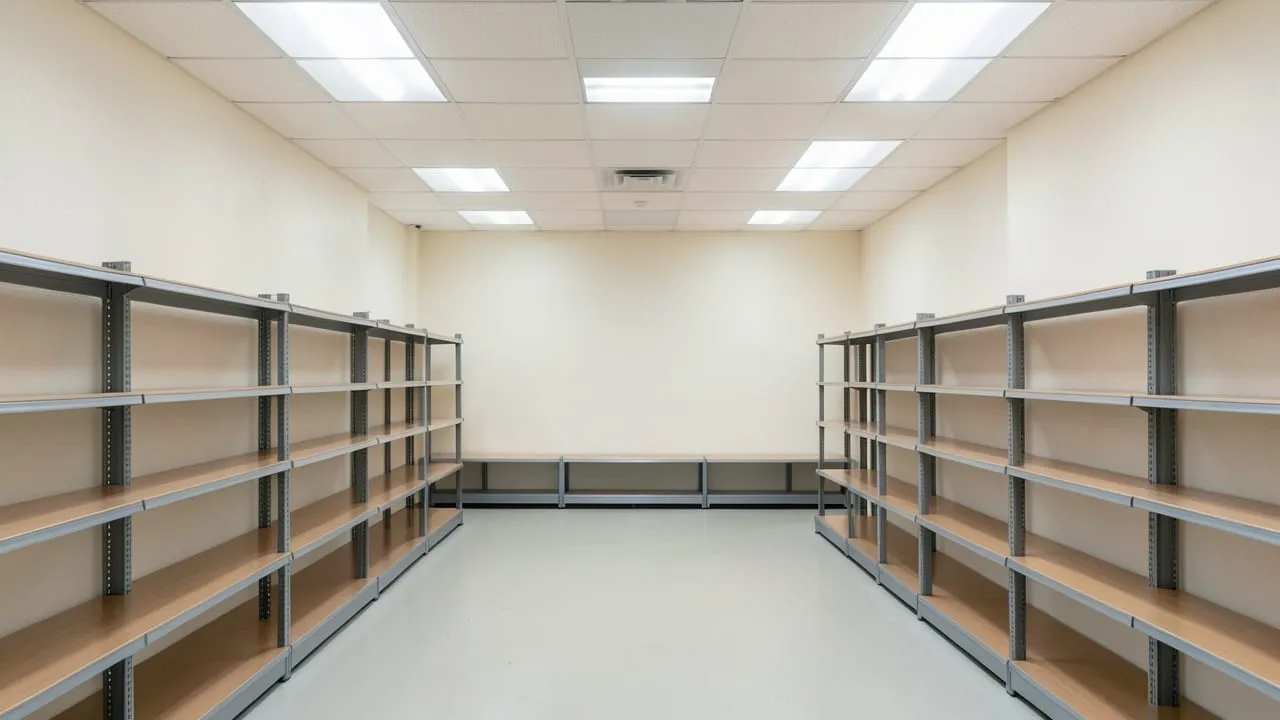
Retail Store Mold Remediation
Professional mold removal and remediation for retail stores to restore safe, clean environments.
Retail store mold remediation in Belleair Bluffs, FL, follows strict protocols to safely remove mold from commercial spaces, including walls, ceilings, and HVAC systems. The process prioritizes containment, HEPA filtration, and moisture control to prevent regrowth and ensure air quality restoration.
Licensed professionals handle containment, removal, drying, and testing to meet Florida’s regulatory standards for mold remediation.
We also handle Mold Prevention & Moisture Control and Mold & Asbestos Testing for Belleair Bluffs properties.
When mold remediation is needed
Mold growth in retail spaces often signals deeper moisture issues. Visible mold covering more than a small patch, recurring growth after cleaning, or a persistent musty smell—especially when HVAC runs—are clear signs professional remediation is required.
Florida law treats 25 contiguous square feet as the threshold where licensed contractors must handle the work, but hidden growth or recurring issues may warrant earlier intervention.
Stagnant air in poorly ventilated areas, like storage rooms or windowless spaces, can also foster mold. Without addressing the moisture source—such as leaks, condensation, or poor drainage—remediation efforts may only be temporary. Post-remediation, monitoring humidity levels and airflow helps prevent recurrence.
Signs Professional Mold Remediation Is Needed
- Mold growth covering more than 25 square feet (Florida’s legal threshold for contractor intervention).
- Recurring mold in the same spot after cleaning, indicating an unresolved moisture issue.
- A musty odor with no visible mold, suggesting hidden growth in walls, ducts, or under flooring.
- Visible mold spreading rapidly or appearing in multiple areas of the store.
- Condensation or water stains on ceilings, walls, or near HVAC units, signaling ongoing moisture.
What affects pricing and timeline
Pricing for retail mold remediation in Belleair Bluffs varies based on the scope of contamination, containment requirements, and the need for third-party testing. Unlike residential work, commercial projects often require stricter documentation and phased scheduling to minimize business disruption.
The total square footage of affected areas, as well as the complexity of containment and moisture control, are key factors.
Timelines depend on the extent of mold infiltration, drying requirements, and clearance testing. Industrial dehumidifiers and HEPA air scrubbers may run for days to ensure moisture levels return to normal before containment is removed. Delays can occur if hidden mold is discovered during demolition, requiring additional containment and treatment.
Florida’s mold remediation rules
Florida law (Chapter 468, Part XVI) separates mold assessment and remediation roles to prevent conflicts of interest. The same company cannot perform both services on the same property within 12 months. This ensures unbiased identification of mold issues before remediation begins, protecting property owners from overstated problems or unnecessary work.
Licensed remediators must follow containment protocols, use HEPA filtration, and conduct post-remediation clearance testing. Skipping these steps can lead to incomplete removal or regrowth. Always verify a contractor’s license directly with the Florida Department of Business and Professional Regulation (DBPR) to confirm compliance.
Florida prohibits the same company from assessing AND remediating a mold problem within 12 months. Request documentation showing the assessor and remediator are separate entities to ensure unbiased work.
How retail mold remediation works
Professional remediation follows a structured process to safely remove mold and prevent regrowth.
- 1Containment Setup
Plastic sheeting and negative-air machines seal the affected area to trap spores during removal, preventing spread to unaffected spaces. Doors and vents are blocked, and workers wear protective gear.
- 2Mold Removal and Treatment
Porous materials like drywall or insulation are cut out and bagged, while non-porous surfaces are scrubbed with antimicrobial treatments. HEPA vacuums and air scrubbers capture spores to avoid recirculation.
- 3Structural Drying
Industrial dehumidifiers and air movers reduce moisture in framing and subfloors to normal levels before containment is removed. This step is critical to prevent mold regrowth on damp materials.
- 4Clearance Testing
An independent lab tests air or surfaces post-remediation to confirm spore counts are within safe ranges. Results determine whether containment can be removed and the space is ready for reuse.
Frequently asked questions
Can I clean small mold patches myself, or should I call a professional?
Small, isolated patches (under 25 square feet) may be cleaned with detergent and water, but visible mold covering larger areas or recurring after cleaning signals a deeper moisture issue. Professional remediation ensures containment, proper treatment, and moisture source resolution.
How long does mold remediation take for a retail space?
Timelines vary by contamination extent, but containment, removal, drying, and testing can take days to weeks. Industrial equipment and clearance testing add time to ensure thorough results. Hidden mold or extensive moisture damage may extend the process.
What should I do if mold keeps coming back after treatment?
Recurring mold often indicates an unresolved moisture source, such as leaks, poor ventilation, or grading issues. Post-remediation, monitor humidity levels and airflow in affected areas. If mold returns, a professional should reassess the moisture problem.
Is mold remediation covered by insurance in Florida?
Some policies cover mold damage if caused by sudden events (e.g., pipe bursts), but gradual issues (e.g., chronic leaks) may not be included. Review your policy or consult an agent to confirm coverage before proceeding with remediation.
Where Belleair Bluffs sits, and what the Census lists nearby
Belleair Bluffs sits in Florida, and the closest places listed in the U.S. Census Gazetteer are Harbor Bluffs (0.9 miles southwest), Belleair (1.2 miles north), Belleair Beach (1.3 miles northwest), Belleair Shore (1.6 miles west).
Within 25 miles of Belleair Bluffs the same source lists 54 distinct incorporated places and census-designated places.
Those figures matter for retail store mold remediation because they are straight-line distances between Census coordinate points: road mileage between Belleair Bluffs and Harbor Bluffs runs longer than the 0.9 miles shown, which is why quotes for the same job differ between towns that look close together on a map.
Source: U.S. Census Bureau Gazetteer.
See West Lealman, FL for more, or take a look at everything Belleair Bluffs homeowners can book with us for our complete lineup.
Ready to get started?
Talk to a local mold remediation pro in Belleair Bluffs — get a written quote.
Other Mold Remediation Services in Belleair Bluffs
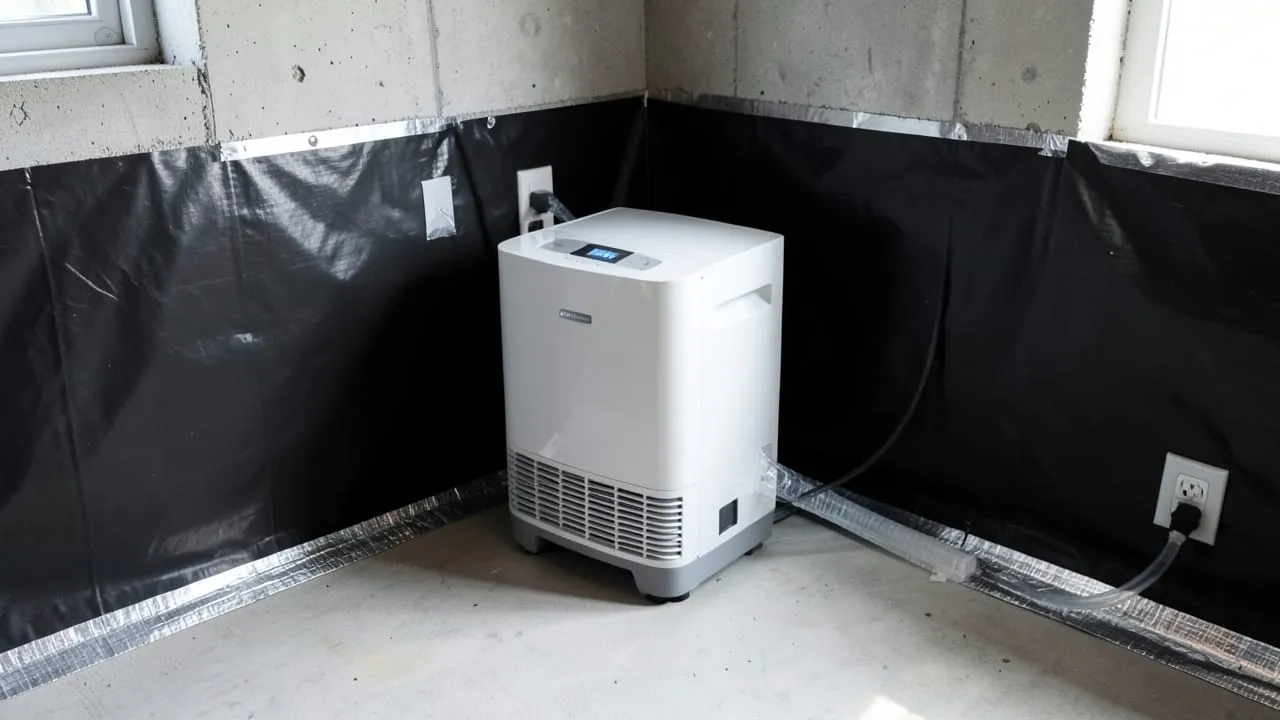
Mold Prevention & Moisture Control in Belleair Bluffs, FL
Mold prevention and moisture control in Belleair Bluffs, FL — addressing ventilation, humidity, and drainage before growth starts, not after.
Learn More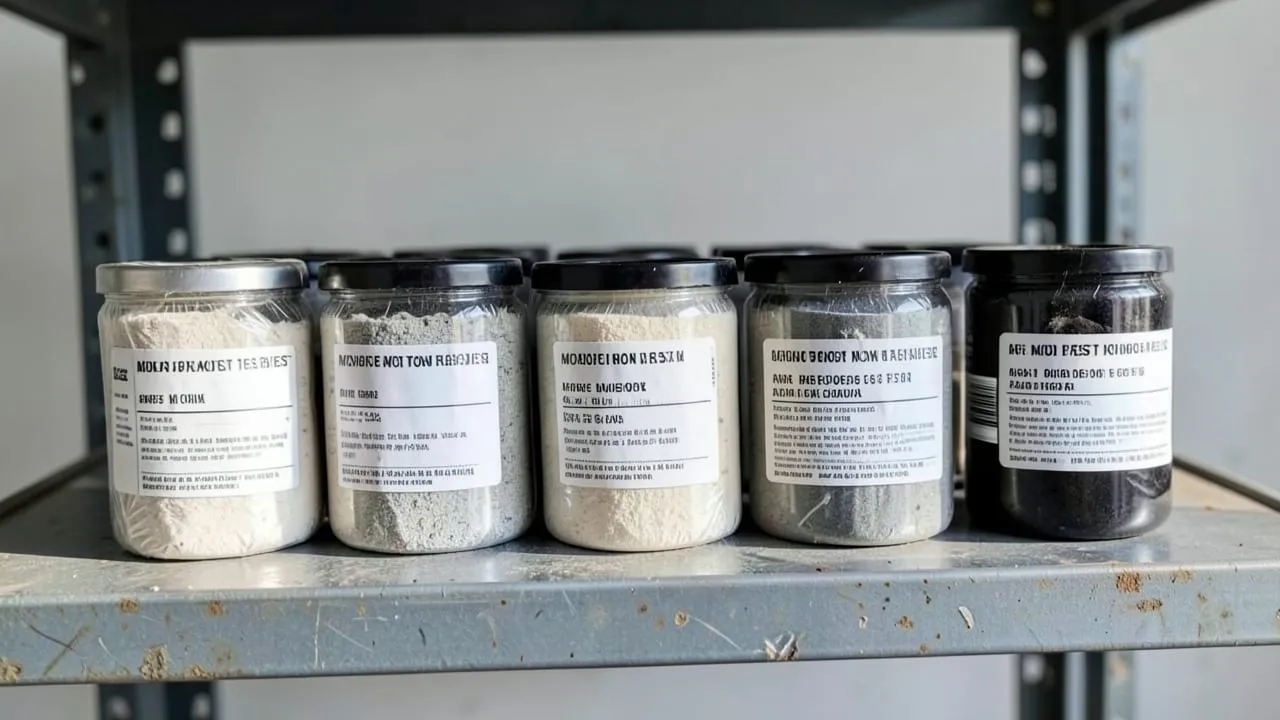
Mold & Asbestos Testing in Belleair Bluffs, FL
Combined mold and asbestos testing in Belleair Bluffs, FL — one inspection visit, lab-verified results for both.
Learn More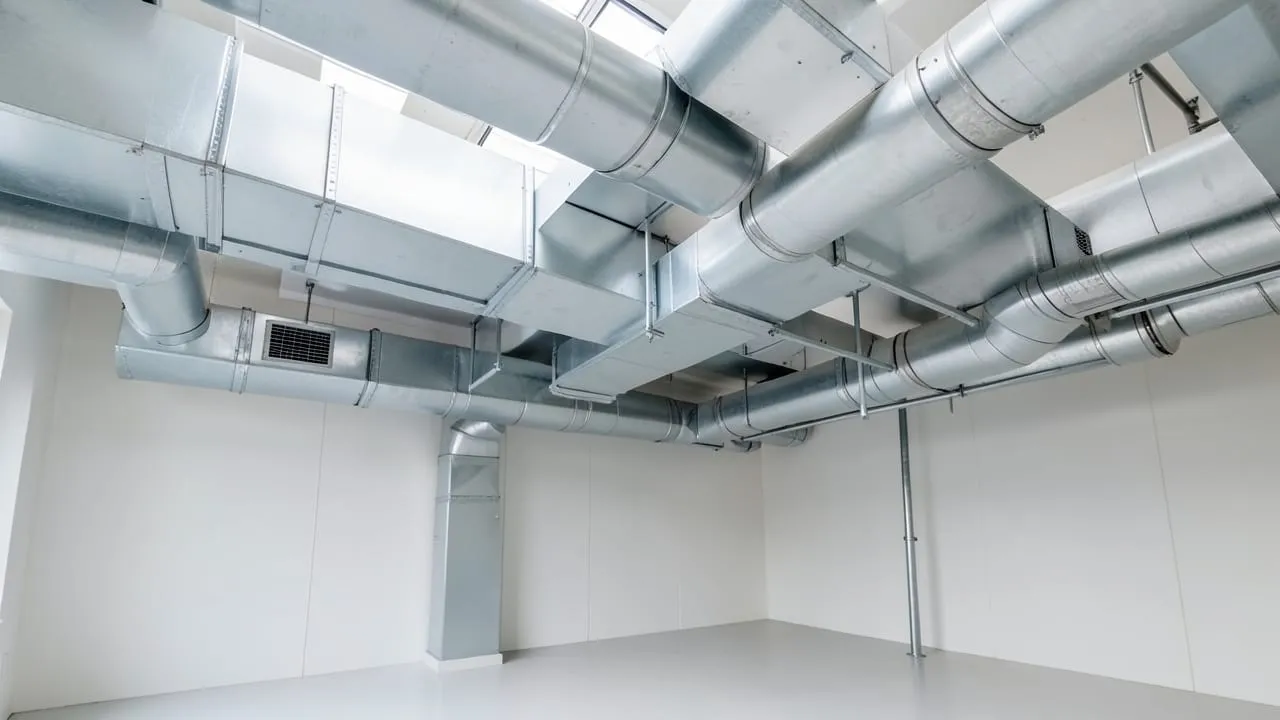
HVAC Mold Remediation in Belleair Bluffs, FL
HVAC and ductwork mold remediation in Belleair Bluffs, FL — mold growing inside the air handler or duct system, spreading through every vent.
Learn More
Kitchen Mold Cleanup in Belleair Bluffs, FL
Professional assessment and removal of mold in kitchen areas to restore a safe, clean environment.
Learn More
Garage Mold Removal in Belleair Bluffs, FL
Professional assessment and removal of mold growth in garages to restore a safe, clean space.
Learn More
Ceiling Mold Removal in Belleair Bluffs, FL
Professional removal of mold growth from ceilings, including containment and cleanup.
Learn MoreCommon Questions About Mold Remediation in Belleair Bluffs
Everything you need to know about mold remediation services in Belleair Bluffs
How much does Retail Store Mold Remediation typically cost in Belleair Bluffs, FL?
Why does Belleair Bluffs, FL's humidity make mold a bigger risk than in drier regions?
Is a final clearance test part of a typical mold remediation job?
How does mold remediation actually prevent the problem from coming back?
Can mold growing inside HVAC ductwork spread to the rest of a home?
Does mold mean the same thing as mildew?
Need Mold Remediation in Belleair Bluffs?
Connect with local providers in Belleair Bluffs for a detailed quote.
⏰ We answer your call • Serving all of Belleair Bluffs and surrounding areas