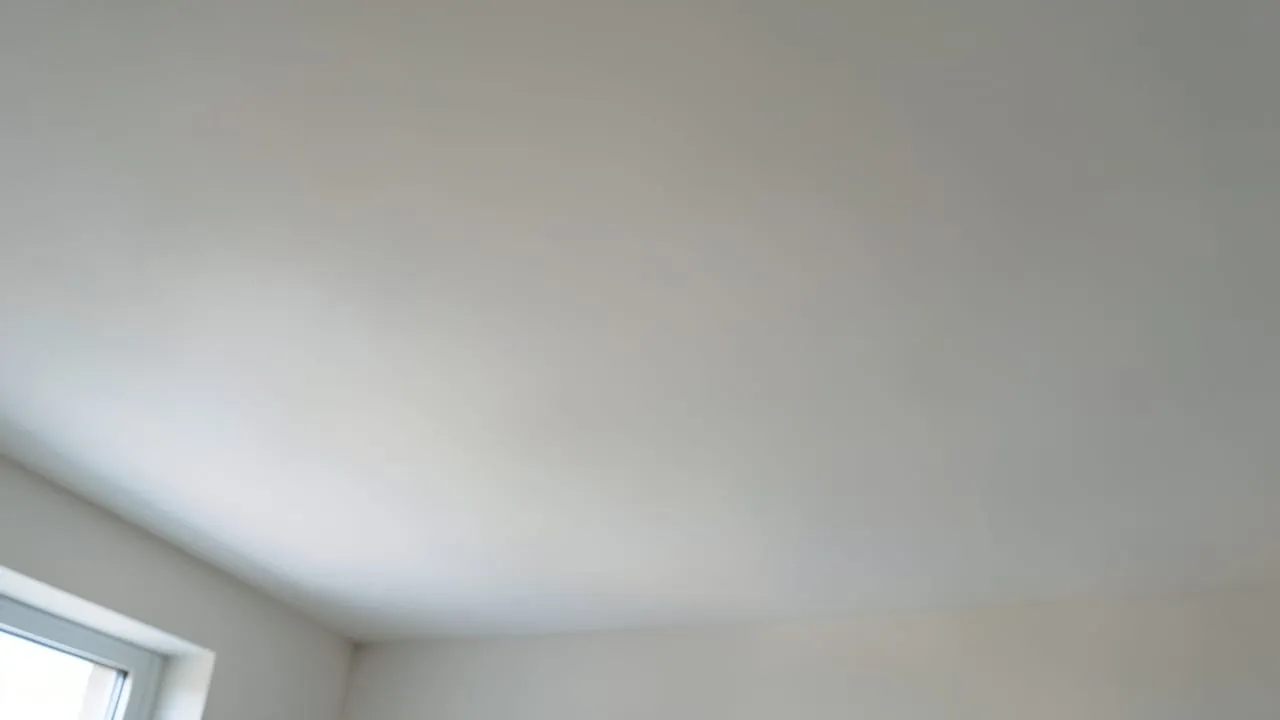
Ceiling Mold Removal
Professional removal of mold growth from ceilings, including containment and cleanup.
Ceiling mold removal in Belleair Bluffs, FL addresses hidden or visible mold colonies growing on overhead surfaces like drywall, tiles, or framing. This service involves containment, removal of affected materials, HEPA filtration, and moisture control to prevent regrowth.
Florida law requires licensed remediators to follow strict protocols for safety and effectiveness, especially in humid coastal climates like Belleair Bluffs.
We also handle HVAC Mold Remediation and Kitchen Mold Cleanup for Belleair Bluffs properties.
When ceiling mold removal is needed
Ceiling mold often starts small but can spread quickly in Florida’s damp climate. Look for dark spots, discoloration, or a musty smell in areas like bathrooms, kitchens, or basements.
Mold covering more than a small patch—typically over 25 square feet—or returning after cleaning often signals a deeper moisture issue that requires professional removal.
Hidden mold behind ceilings or in wall cavities may reveal itself through persistent odors, especially when HVAC systems run. If you notice condensation, leaks, or poor airflow in a room, these conditions can fuel mold growth even after visible signs are gone.
Addressing the moisture source is just as critical as removing the mold itself.
Signs You Need Ceiling Mold Removal
- Mold covering more than a small, isolated patch (typically over 25 square feet).
- Mold that keeps returning in the same spot after cleaning.
- A musty smell with no visible mold in the room.
- Visible mold on ceilings, especially in bathrooms, kitchens, or basements.
- Condensation, leaks, or poor airflow in the affected area.
What affects cost and scope
The cost of ceiling mold removal depends on the size of the affected area, the type of materials involved, and whether the mold is surface-level or embedded. Black mold often requires additional treatment, which can increase costs.
Containment, HEPA filtration, and clearance testing are standard steps that ensure the job is done thoroughly but may not always be included in basic quotes.
Hidden mold behind ceilings or in wall cavities can extend the timeline and cost, as additional demolition and drying may be required. Florida law also mandates that remediation and assessment cannot be performed by the same company within 12 months, which may influence pricing and scheduling.
Why containment and testing matter
Containment prevents mold spores from spreading to unaffected areas during removal. Plastic sheeting and negative-air machines create a sealed work zone, while HEPA air scrubbers continuously filter the air inside. Without these steps, spores can drift into living spaces, worsening the problem.
Clearance testing after remediation confirms that spore levels are back to normal. This independent verification ensures the job was effective, though it’s often priced separately from the main service. Skipping testing or containment can lead to hidden mold regrowth or contamination in other parts of the home.
Using standard shop vacuums or non-HEPA filters recirculates spores instead of capturing them. Removing mold without fixing the moisture source—like leaks or poor ventilation—leads to regrowth. Always verify that containment and clearance testing are included in the service.
How ceiling mold removal works
This process follows strict protocols to safely eliminate mold and prevent regrowth.
- 1Containment Setup
Plastic sheeting and negative-air machines seal off the work area to trap spores. This prevents them from spreading to other parts of the home during removal.
- 2Material Removal or Cleaning
Porous materials like drywall or insulation are cut out and bagged, while non-porous surfaces like tile or framing are scrubbed and treated. This step targets the mold at its source.
- 3HEPA Filtration and Vacuuming
HEPA air scrubbers run continuously to capture airborne spores, and surfaces are vacuumed with HEPA-filtered equipment to avoid recirculating mold.
- 4Structural Drying
Industrial dehumidifiers and air movers dry the affected area to normal moisture levels, as mold regrows on damp materials even after removal.
- 5Clearance Testing
An independent lab tests air or surfaces post-remediation to confirm spore levels are back to normal before containment is removed.
Frequently asked questions
How do I know if my ceiling mold is too much for a DIY clean?
If the mold covers more than 25 square feet, keeps returning after cleaning, or you notice a musty smell with no visible source, it’s best to call a professional. DIY methods often miss hidden mold or fail to address moisture issues, leading to regrowth.
Will the mold come back if the moisture source isn’t fixed?
Yes. Removing mold without fixing leaks, condensation, or poor ventilation leaves the same conditions for regrowth. A professional will inspect for moisture sources and recommend repairs to help prevent future issues.
Do I need clearance testing after mold removal?
Clearance testing confirms the job was effective by measuring spore levels post-remediation. While not always required by law, it’s the only way to verify that the mold is truly gone and not hidden elsewhere.
How long does the entire process take?
The timeline varies based on the size of the affected area and whether hidden mold or moisture issues are found. Containment, removal, drying, and testing can take anywhere from a few days to over a week, depending on the scope.
Where Belleair Bluffs sits, and what the Census lists nearby
Belleair Bluffs sits in Florida, and the closest places listed in the U.S. Census Gazetteer are Harbor Bluffs (0.9 miles southwest), Belleair (1.2 miles north), Belleair Beach (1.3 miles northwest), Belleair Shore (1.6 miles west).
Within 25 miles of Belleair Bluffs the same source lists 54 distinct incorporated places and census-designated places.
Those figures matter for ceiling mold removal because they are straight-line distances between Census coordinate points: road mileage between Belleair Bluffs and Harbor Bluffs runs longer than the 0.9 miles shown, which is why quotes for the same job differ between towns that look close together on a map.
Source: U.S. Census Bureau Gazetteer.
See Bear Creek, FL for more, or discover the mold remediation work we do around Belleair Bluffs step by step for our complete lineup.
Ready to get started?
Talk to a local mold remediation pro in Belleair Bluffs — get a written quote.
Other Mold Remediation Services in Belleair Bluffs
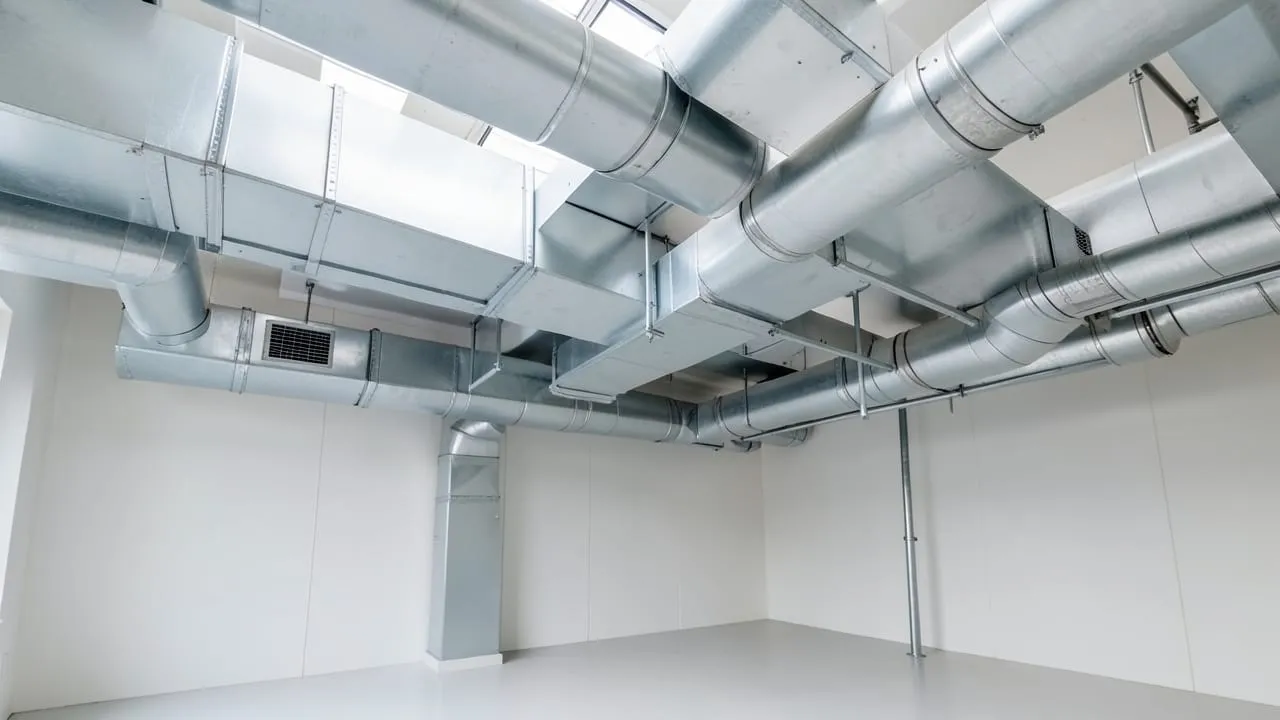
HVAC Mold Remediation in Belleair Bluffs, FL
HVAC and ductwork mold remediation in Belleair Bluffs, FL — mold growing inside the air handler or duct system, spreading through every vent.
Learn More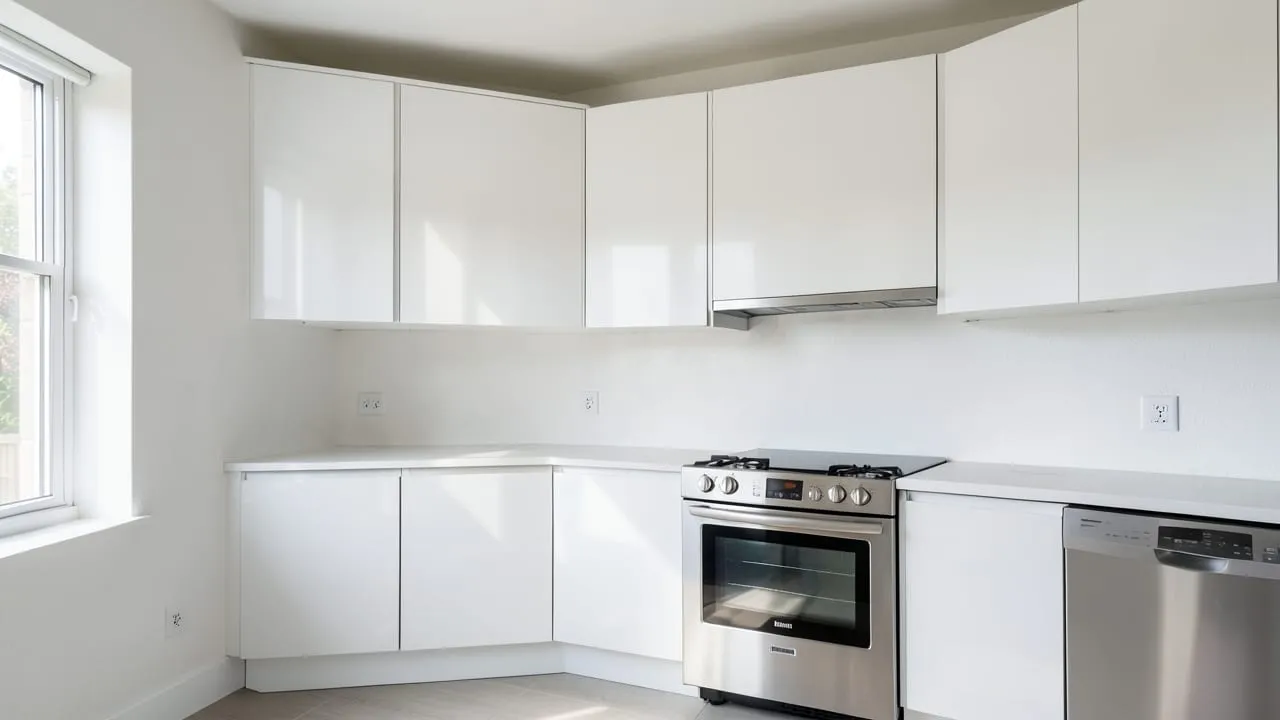
Kitchen Mold Cleanup in Belleair Bluffs, FL
Professional assessment and removal of mold in kitchen areas to restore a safe, clean environment.
Learn More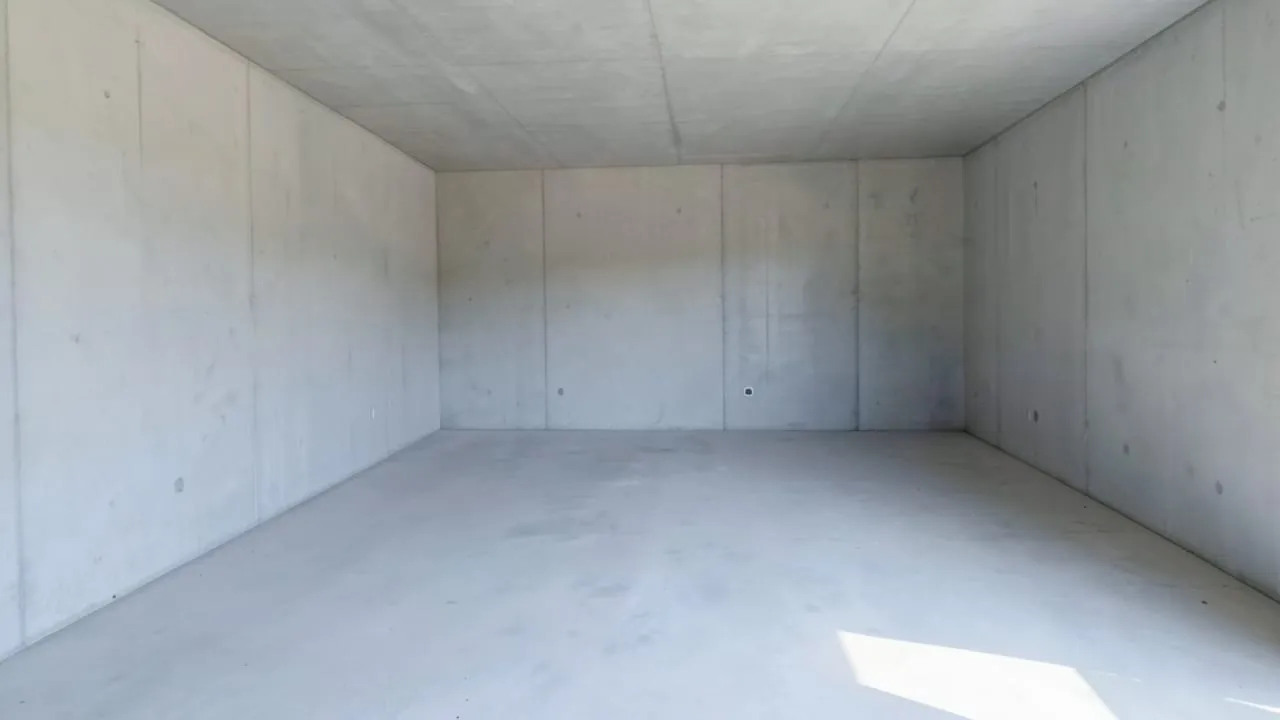
Garage Mold Removal in Belleair Bluffs, FL
Professional assessment and removal of mold growth in garages to restore a safe, clean space.
Learn More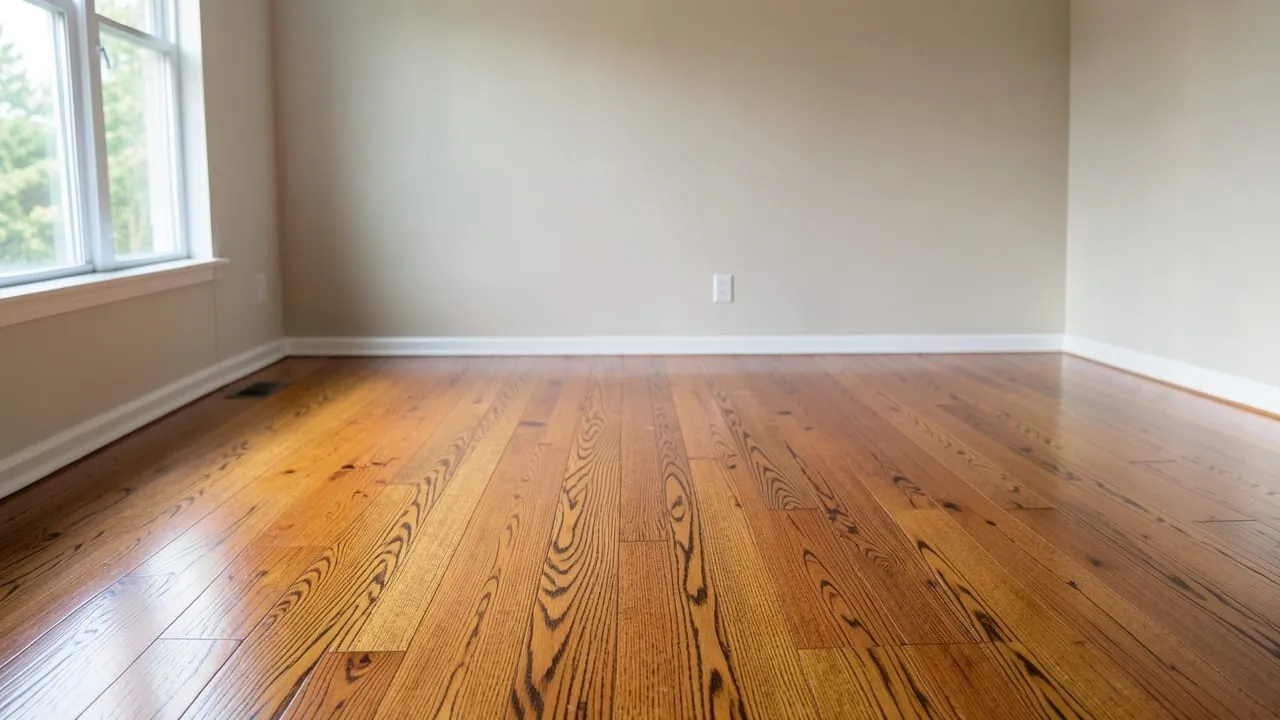
Flood Damage Mold Remediation in Belleair Bluffs, FL
Professional mold removal and remediation after flood damage in homes.
Learn More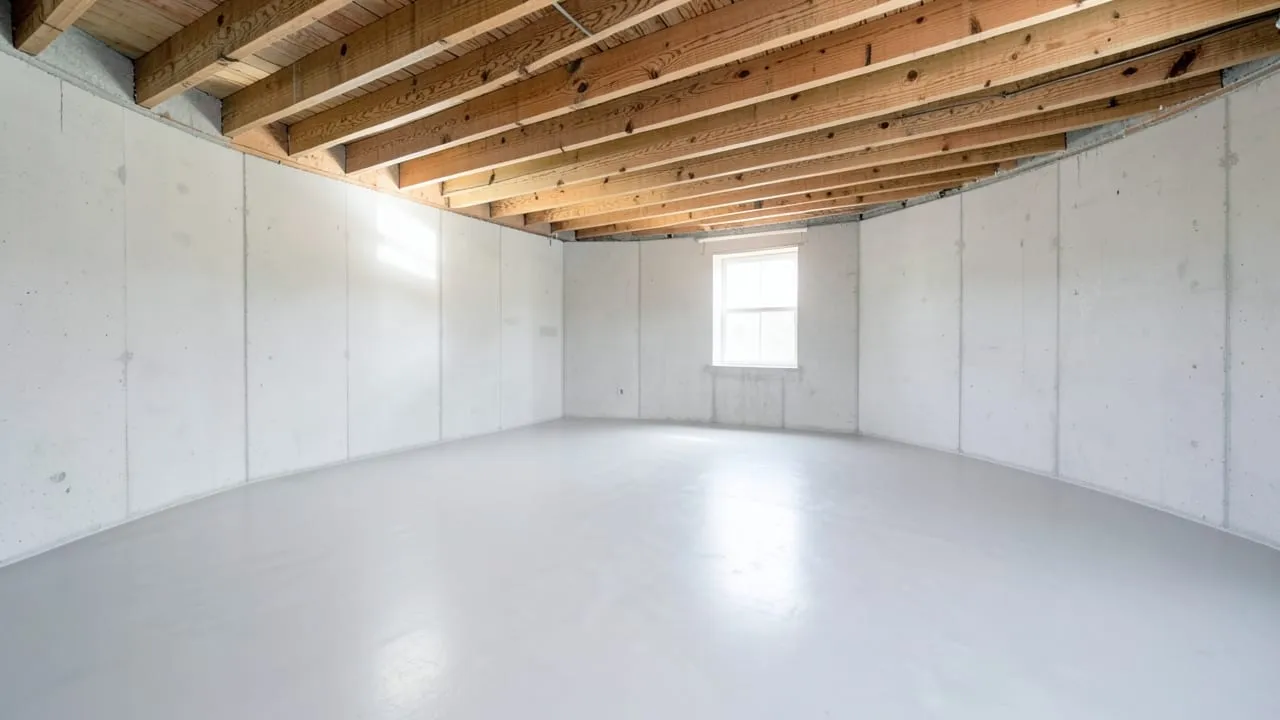
Sewer Backup Mold Cleanup in Belleair Bluffs, FL
Professional cleanup of mold caused by sewer backups in homes.
Learn More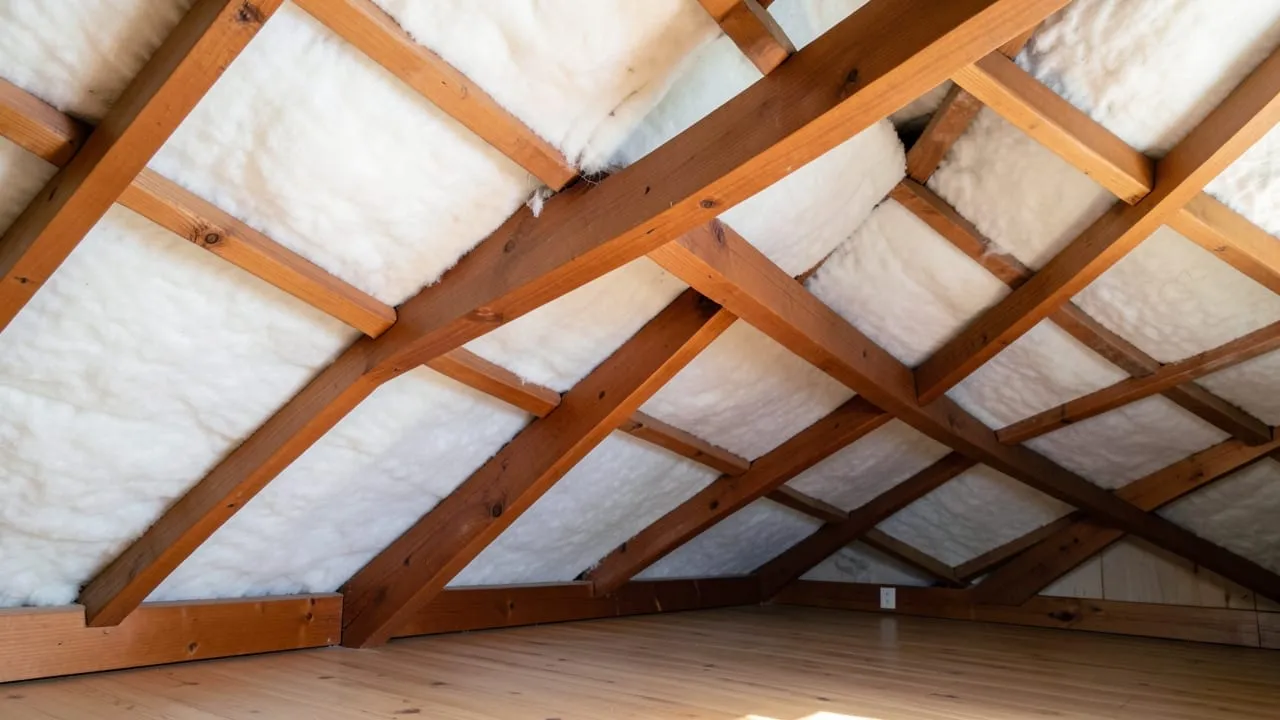
Roof Leak Mold Remediation in Belleair Bluffs, FL
Professional removal of mold caused by roof leaks to restore a safe, healthy home environment.
Learn MoreCommon Questions About Mold Remediation in Belleair Bluffs
Everything you need to know about mold remediation services in Belleair Bluffs
How much does Ceiling Mold Removal typically cost in Belleair Bluffs, FL?
Why does Belleair Bluffs, FL's humidity make mold a bigger risk than in drier regions?
Is black mold actually more dangerous than other mold types?
How long does a typical mold remediation job take?
Is it safe to stay in the home during mold remediation?
Can small mold problems be handled without hiring anyone?
Need Mold Remediation in Belleair Bluffs?
Connect with local providers in Belleair Bluffs for a detailed quote.
⏰ We answer your call • Serving all of Belleair Bluffs and surrounding areas