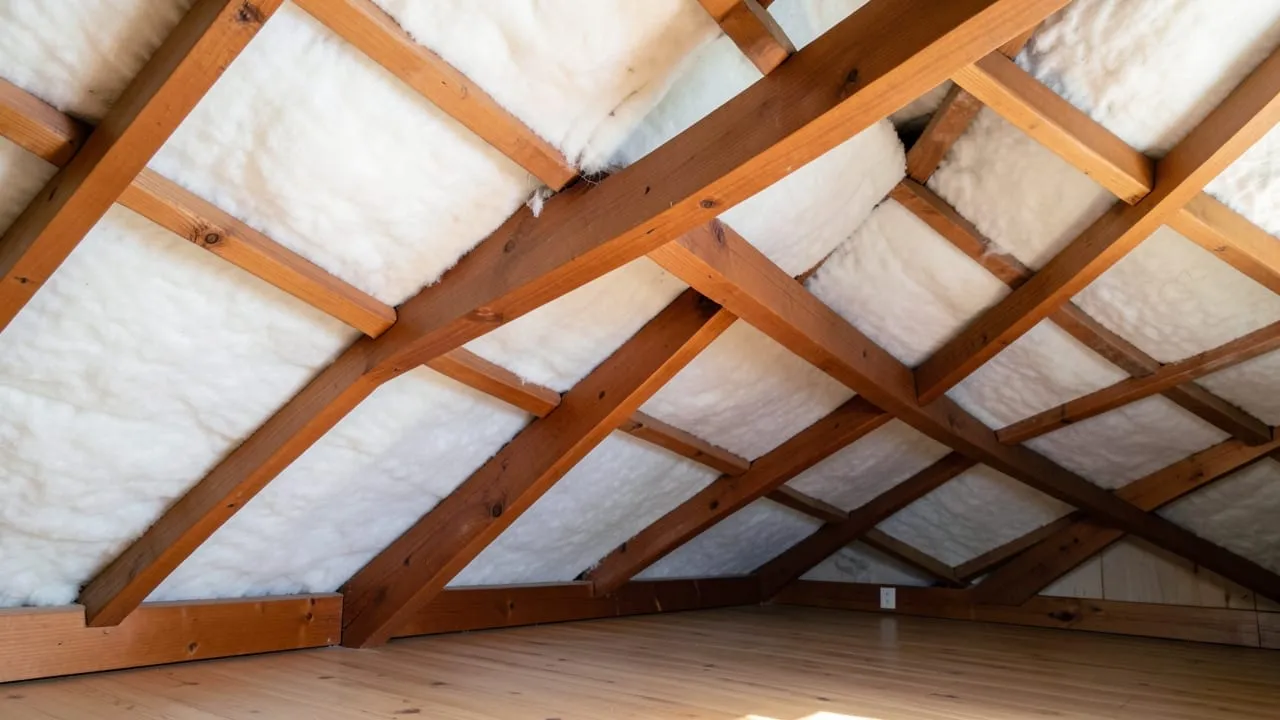
Roof Leak Mold Remediation
Professional removal of mold caused by roof leaks to restore a safe, healthy home environment.
Roof leaks in Belleair Bluffs homes often lead to hidden mold growth, which spreads quickly in Florida’s humid climate. Professional roof leak mold remediation involves containment, removal of contaminated materials, and fixing the moisture source to prevent regrowth.
This process protects your home’s air quality and structural integrity, following strict industry standards to ensure safety and effectiveness.
We also handle New Construction Mold Remediation and Hotel Mold Remediation for Belleair Bluffs properties.
When to call for roof leak mold remediation
Mold growth from a roof leak often starts small but can quickly become a larger problem if ignored. Look for visible stains on ceilings or walls, a musty odor, or recurring mold even after cleaning.
If the affected area covers more than a few square feet or keeps returning, it’s time for professional intervention. Hidden mold—behind walls, in ductwork, or under flooring—requires specialized tools and techniques to address safely.
Florida law treats mold covering 25+ contiguous square feet as requiring a licensed remediator, but even smaller patches that persist suggest a deeper moisture issue.
A smell that worsens when your HVAC runs may indicate mold spreading through ducts, while damp materials that never fully dry create ideal conditions for regrowth. These signs mean the problem isn’t just surface-level and needs expert attention.
Signs Your Roof Leak Mold Needs Professional Help
- Mold covers more than a small, isolated patch (especially over 25 sq ft).
- The same spot keeps growing mold even after cleaning.
- A musty smell exists with no visible mold in the room.
- The odor gets stronger when the HVAC or ceiling fan turns on (possible ductwork contamination).
- Materials like drywall or insulation feel damp to the touch or have a dark, discolored appearance.
What affects the cost and timeline
The cost of roof leak mold remediation depends on the size of the affected area, the type of materials involved, and whether hidden mold exists behind walls or in ducts. Labor rates, disposal fees for contaminated materials, and the need for structural drying or additional containment all play a role.
Pricing also varies based on whether black mold (Stachybotrys) is confirmed, which may require extra precautions.
Timing depends on the extent of the damage, drying requirements, and scheduling for clearance testing. Jobs with extensive hidden mold or structural involvement take longer, as do those requiring multiple containment zones.
Florida’s licensing rules also mean assessments and remediation must be handled by separate entities within a 12-month period, which can add steps to the process.
Why containment and testing matter
Proper containment—using plastic sheeting and negative-air machines—prevents mold spores from spreading to unaffected areas during removal. Without it, spores can circulate through your home’s HVAC system or settle in other rooms, turning a small job into a larger one.
HEPA filtration during removal and cleanup ensures spores are captured, not recirculated, which is critical for safety and effectiveness.
Clearance testing by an independent lab confirms the job is complete. This step verifies that spore counts are back to normal levels before containment is removed. Skipping this test leaves no proof the mold has been fully addressed, and hidden moisture sources can lead to regrowth.
Florida’s rules require this separation between assessment and remediation to avoid conflicts of interest.
Using a standard shop vacuum or non-HEPA air scrubber recirculates spores instead of capturing them. Paying upfront without a written scope or signing a contract during the same visit as the inspection can leave you vulnerable to unexpected costs or incomplete work.
How roof leak mold remediation works
This process follows strict industry protocols to safely remove mold and prevent regrowth.
- 1Containment Setup
Plastic sheeting and negative-air machines seal off the work area to stop spores from spreading. This step is critical before any materials are disturbed.
- 2Material Removal or Cleaning
Porous materials like drywall or insulation that absorb mold are cut out and bagged. Non-porous surfaces like framing or tile are scrubbed and treated to kill remaining spores.
- 3Structural Drying
Industrial dehumidifiers and air movers dry framing and subfloors to normal moisture levels, as damp wood encourages mold regrowth even after visible traces are gone.
- 4HEPA Filtration and Cleanup
HEPA air scrubbers run continuously during removal, and surfaces are vacuumed with HEPA-equipped tools to capture spores instead of releasing them back into the air.
- 5Clearance Testing
An independent lab tests air or surfaces post-remediation to confirm spore counts are within normal ranges before containment is removed.
Frequently asked questions
How do I know if my roof leak mold is bad enough to need professional help?
If the mold covers more than a few square feet, keeps coming back after cleaning, or you notice a musty smell with no visible growth, it’s likely past DIY scale. Florida law also requires licensed remediation for patches over 25 contiguous square feet.
Will fixing the roof leak alone stop the mold from returning?
Not always. While fixing the leak is essential, hidden moisture—like damp insulation or framing—can still harbor mold. Professional remediation addresses both the visible growth and underlying conditions to reduce the risk of regrowth.
Do I need to be home during the remediation process?
You typically don’t need to stay, but it’s wise to avoid the area until containment is removed and clearance testing is complete. The work can stir up spores, so keeping pets and children away until the job is finished helps prevent exposure.
How long does it take to fully remediate roof leak mold?
Timing varies based on the size of the affected area, drying requirements, and testing schedules. Small jobs may take a day or two, while larger or hidden mold cases can take a week or more, including drying and clearance testing.
Where Belleair Bluffs sits, and what the Census lists nearby
Belleair Bluffs sits in Florida, and the closest places listed in the U.S. Census Gazetteer are Harbor Bluffs (0.9 miles southwest), Belleair (1.2 miles north), Belleair Beach (1.3 miles northwest), Belleair Shore (1.6 miles west).
Within 25 miles of Belleair Bluffs the same source lists 54 distinct incorporated places and census-designated places.
Those figures matter for roof leak mold remediation because they are straight-line distances between Census coordinate points: road mileage between Belleair Bluffs and Harbor Bluffs runs longer than the 0.9 miles shown, which is why quotes for the same job differ between towns that look close together on a map.
Source: U.S. Census Bureau Gazetteer.
See Belleair Beach, FL for more, or take a look at what we cover for Belleair Bluffs properties from start to finish for our complete lineup.
Ready to get started?
Talk to a local mold remediation pro in Belleair Bluffs — get a written quote.
Other Mold Remediation Services in Belleair Bluffs
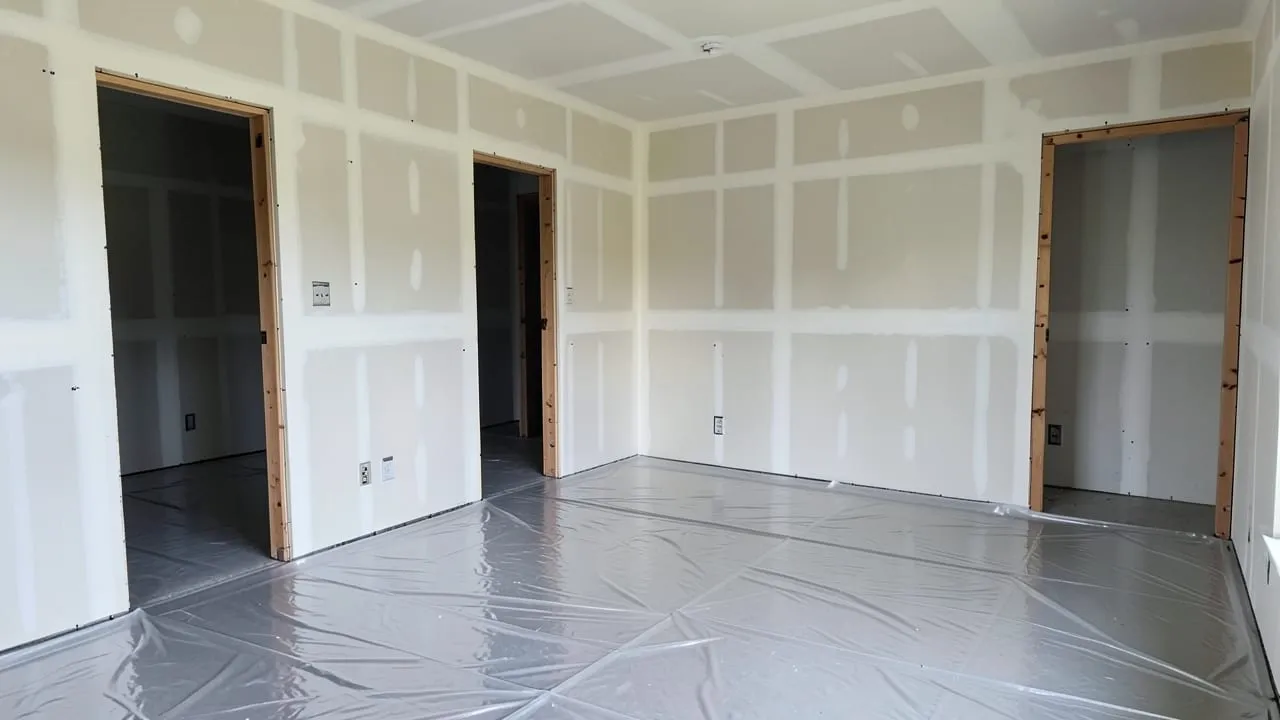
New Construction Mold Remediation in Belleair Bluffs, FL
Professional mold removal and prevention in newly built homes to ensure safe, clean living spaces.
Learn More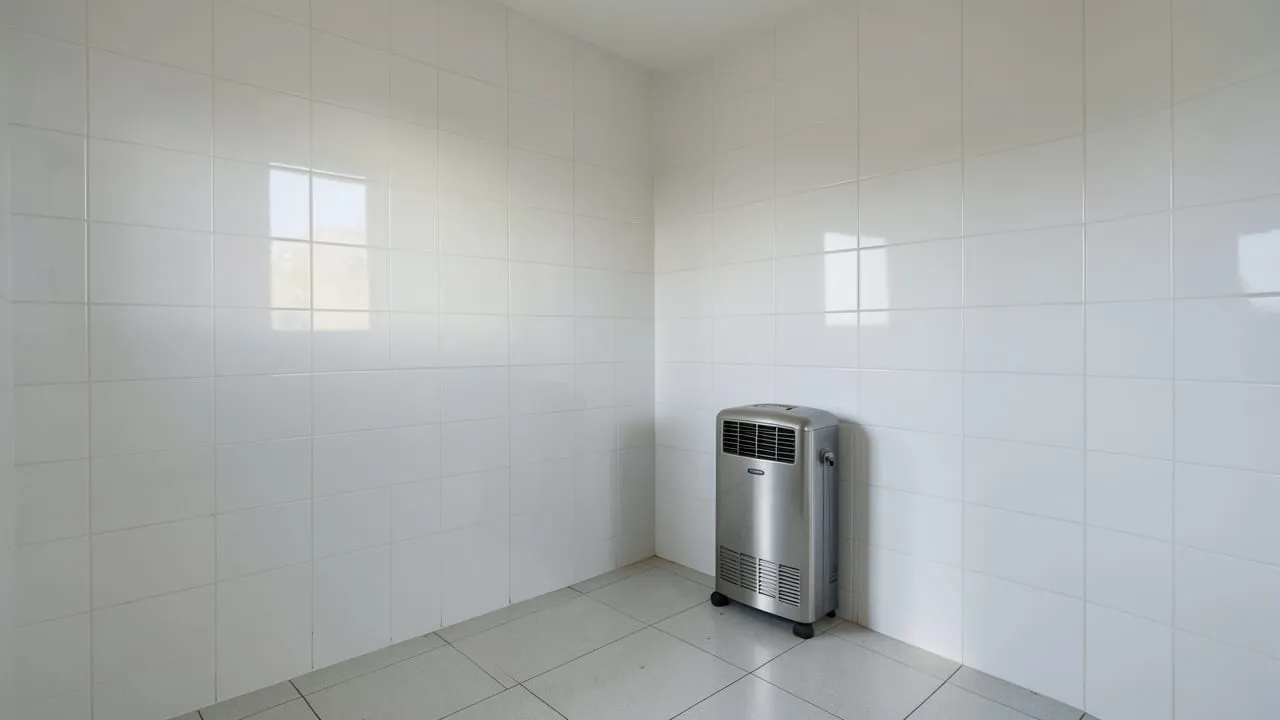
Hotel Mold Remediation in Belleair Bluffs, FL
Professional removal and treatment of mold growth in hotel properties to restore safe, clean environments.
Learn More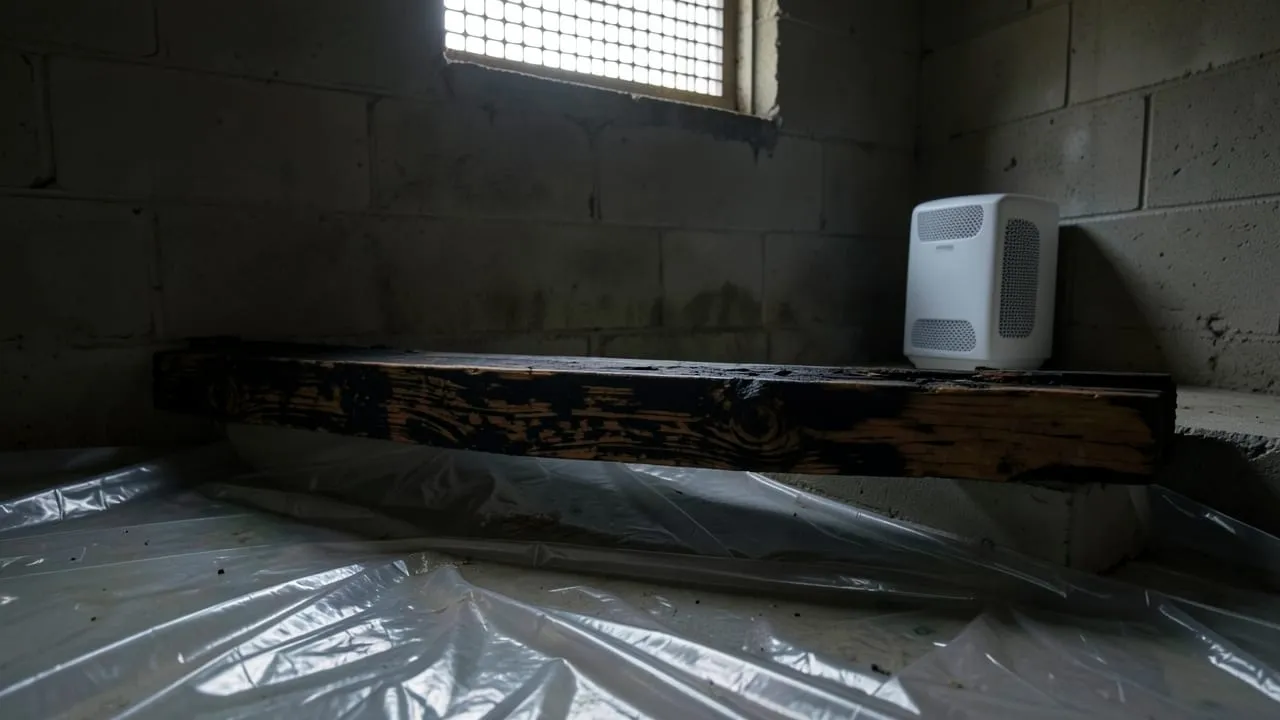
Fire Smoke Mold Remediation in Belleair Bluffs, FL
Professional cleanup and restoration of fire, smoke, and mold damage in homes.
Learn More
Pet Urine Mold Treatment in Belleair Bluffs, FL
Professional removal of mold caused by pet urine in homes, including assessment and treatment.
Learn More
Pest Infestation Mold Remediation in Belleair Bluffs, FL
Professional mold removal and remediation for pest-related infestations in homes.
Learn More
Spring Mold Inspection in Belleair Bluffs, FL
Professional assessment and identification of mold growth in homes.
Learn MoreCommon Questions About Mold Remediation in Belleair Bluffs
Everything you need to know about mold remediation services in Belleair Bluffs
How much does Roof Leak Mold Remediation typically cost in Belleair Bluffs, FL?
Why does Belleair Bluffs, FL's humidity make mold a bigger risk than in drier regions?
Is black mold actually more dangerous than other mold types?
How long does a typical mold remediation job take?
Is it safe to stay in the home during mold remediation?
Can small mold problems be handled without hiring anyone?
Need Mold Remediation in Belleair Bluffs?
Connect with local providers in Belleair Bluffs for a detailed quote.
⏰ We answer your call • Serving all of Belleair Bluffs and surrounding areas