Why Belleair Bluffs Homeowners Need Experts for Hidden Mold
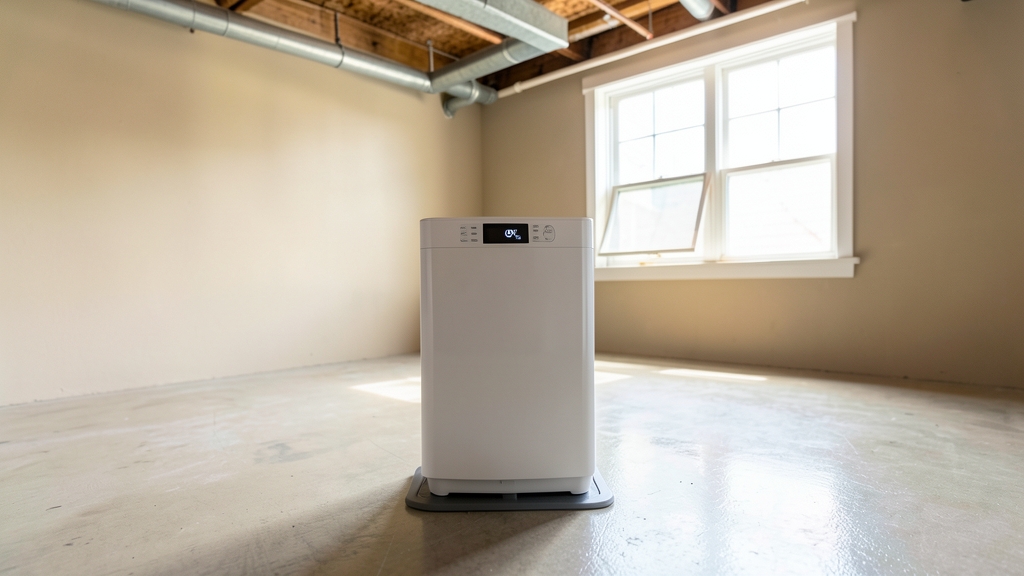
Hidden mold thrives in the warm, humid climate of our area, often lurking behind walls or under flooring long before it’s noticed. Without expert intervention, it can compromise indoor air quality and structural integrity. We’ve seen firsthand how quickly it spreads in homes across Belleair Bluffs, Largo, and Clearwater when moisture goes unchecked.
The Sneaky Nature of Hidden Mold in Coastal Florida Homes
Mold doesn’t need standing water to grow—just sustained humidity above 60%. In our region, AC units, poor ventilation, and minor leaks create ideal conditions for colonies to take root in drywall, insulation, or subflooring.
Unlike visible mold, hidden growth often goes undetected until it causes musty odors, allergies, or respiratory issues. By then, spores may have spread through HVAC systems to other areas of the home.
Signs You Might Have a Hidden Mold Problem
Persistent musty smells are a red flag, especially in basements, crawl spaces, or attics. These areas trap moisture and are prime targets for unseen growth.
Unexplained health symptoms like headaches, itchy eyes, or asthma flare-ups can indicate elevated spore levels. Even pets may show signs of distress before humans notice.
Common Hidden Mold Indicators
- Musty odors in specific rooms or after rain
- Peeling paint or wallpaper, especially near baseboards
- Warped or discolored drywall or flooring
- Increased allergy symptoms indoors
- Visible water stains on ceilings or walls
Why DIY Mold Removal Falls Short
Bleach and household cleaners only kill surface mold, leaving roots embedded in porous materials. Without proper containment, disturbing these areas can release millions of spores into the air.
Improper drying or lack of moisture control means mold often returns. Professionals use thermal imaging and moisture meters to locate hidden colonies and address the root cause.
DIY attempts without containment can spread spores to clean areas. Always isolate the workspace with plastic sheeting and use negative air pressure.
How Professionals Tackle Hidden Mold
Our team starts with a thorough mold inspection and air quality testing to identify species and spore counts. This data guides the remediation plan, ensuring we target all affected areas.
Containment barriers and HEPA air scrubbers prevent spores from migrating during removal. We use antimicrobial treatments to clean surfaces and encapsulate materials when necessary.
Mold Remediation vs. Mold Mitigation: What’s the Difference?
Remediation addresses active mold growth and its source, while mitigation focuses on preventing future issues. Both are critical in our humid climate, where moisture is a constant battle.
| Aspect | Mold Remediation | Mold Mitigation |
|---|---|---|
| Goal | Remove existing mold colonies | Prevent future mold growth |
| Scope | Targeted to affected areas | Whole-home moisture control |
| Common Tools | HEPA vacuums, antimicrobials, air scrubbers | Dehumidifiers, moisture barriers, ventilation upgrades |
| Timing | After mold is detected | Ongoing or post-remediation |
The Role of Moisture Control in Long-Term Prevention
Even after remediation, mold can return without addressing moisture. In Belleair Bluffs, high humidity and seasonal storms demand proactive solutions like dehumidifiers, vapor barriers, and proper grading around the home.
Regular inspections of crawl spaces, attics, and basements catch early signs of water intrusion. We often recommend sump pumps or French drains for homes in flood-prone areas near Clearwater or Largo.
Keep indoor humidity below 50% with dehumidifiers and exhaust fans. A hygrometer is a simple tool to track levels in problem areas.
When to Call in Commercial Mold Remediation Experts
Businesses in Belleair Bluffs and surrounding areas face unique challenges. Large HVAC systems, shared walls, and high foot traffic can spread mold rapidly, risking employee health and liability issues.
Commercial remediation often involves after-hours work to minimize disruptions. We tailor containment and air filtration to the scale of the space, ensuring compliance with local and EPA guidelines.
Local Conditions That Worsen Mold Risks
Florida’s warm, wet climate accelerates mold growth. Coastal homes in Belleair Beach or Belleair Bluffs are especially vulnerable due to salt air, which can corrode materials and create entry points for moisture.
Older homes with outdated plumbing or poor ventilation are high-risk. Even newer constructions can develop issues if building materials weren’t properly dried before installation.
How to Prepare for Professional Mold Remediation
Taking these steps ensures a smoother process and better results.
- 1Clear the Area
Remove furniture, personal items, and pets from the affected space. This allows full access and protects your belongings from contamination.
- 2Turn Off HVAC Systems
Prevent spores from spreading through vents. Seal off the area with plastic sheeting if possible.
- 3Document the Damage
Take photos or videos of visible mold and water damage for insurance claims. Note any health symptoms experienced by household members.
- 4Address Immediate Moisture Sources
Fix leaks or use a wet/dry vacuum to remove standing water. Avoid using fans, as they can spread spores.
- 5Plan for Temporary Relocation
For extensive infestations, especially in living areas, consider staying elsewhere during remediation to avoid exposure.
Frequently Asked Questions
How long does hidden mold remediation take in Belleair Bluffs?
Timelines vary based on the extent of the infestation and the size of the affected area. Small, contained issues may take 1–3 days, while large or complex jobs can require a week or more. We provide a detailed estimate after inspection.
Can hidden mold return after remediation?
Yes, if the underlying moisture issue isn’t resolved. That’s why we emphasize moisture control and regular inspections as part of our process. Without addressing humidity or leaks, mold can recur within weeks.
Is mold testing necessary before remediation?
Testing helps identify the type and concentration of mold, which informs the remediation strategy. While not always required, it’s highly recommended for hidden mold or when health symptoms are present. Air quality testing also verifies success after remediation.
What’s the difference between mold removal and mold remediation?
Mold removal refers to physically eliminating mold from surfaces, while remediation includes removal, cleaning, containment, and addressing the moisture source. Remediation is a comprehensive process designed to prevent recurrence.
Do you handle mold in crawl spaces and attics?
Yes, these are common problem areas in our region. Crawl spaces often suffer from poor ventilation and high humidity, while attics can trap moisture from roof leaks. We specialize in remediating these hard-to-reach spaces.
Are your mold remediation methods safe for families and pets?
Absolutely. We use EPA-approved antimicrobials and HEPA filtration to ensure safety. Our team follows strict containment protocols to prevent cross-contamination, and we recommend keeping pets and family members out of the work area until clearance testing is complete.