Expert Tips for Preventing Mold and Mildew in Belleair Bluffs’ Humid Climate
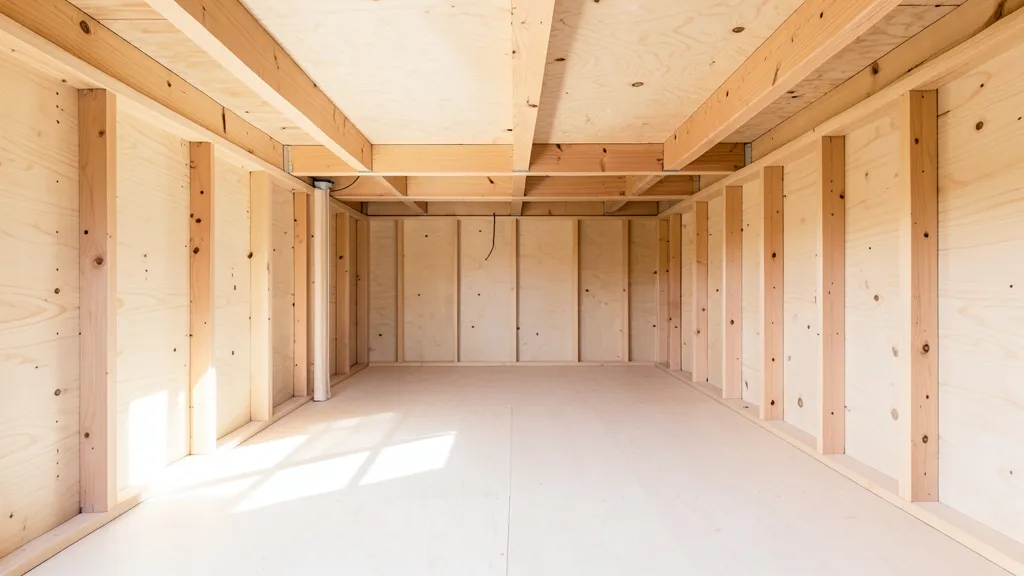
Belleair Bluffs’ Gulf Coast humidity creates the perfect breeding ground for mold and mildew. Without proactive moisture control, even minor water intrusion can spiral into costly remediation. We’ve helped homeowners across Largo, Clearwater, and Belleair Beach tackle these issues head-on with targeted prevention strategies.
Why Belleair Bluffs Is a Hotspot for Mold Growth
Our coastal climate in Pinellas County means high humidity year-round, often exceeding 70% in summer. Mold spores thrive in these conditions, especially when combined with poor ventilation or hidden water leaks.
Homes near the water, like those in Belleair Beach or Clearwater, face even greater risk due to salt air and frequent storms. Even newer properties can develop issues if moisture barriers or HVAC systems aren’t properly maintained.
Common Mold Prone Areas in Local Homes
Attics are a major concern, particularly in older homes with inadequate insulation or roof leaks. Trapped heat and moisture create an ideal environment for mold colonies to spread unnoticed.
Crawl spaces and basements—common in Belleair and Largo—often lack proper vapor barriers or drainage. Standing water or damp soil can lead to persistent mold growth that affects indoor air quality.
Bathrooms, kitchens, and laundry rooms are also high-risk zones. Poorly sealed grout, leaky pipes, or exhaust fans that vent into attics (instead of outside) can accelerate mold development.
| Area | Primary Risk Factors | Prevention Focus |
|---|---|---|
| Attic | Roof leaks, poor ventilation, high heat | Insulation, vapor barriers, regular inspections |
| Crawl Space | Ground moisture, poor drainage, lack of airflow | Vapor barriers, sump pumps, dehumidifiers |
| Bathroom | Condensation, leaky fixtures, poor ventilation | Exhaust fans, sealing grout, prompt leak repairs |
| Basement | Water intrusion, high humidity, poor sealing | Waterproofing, dehumidifiers, moisture barriers |
The Role of Humidity Control in Mold Prevention
Mold spores require moisture to germinate and grow. Keeping indoor humidity below 60% (ideally 30-50%) is critical. In Belleair Bluffs, this often means running dehumidifiers during the wet season.
Whole-house dehumidifiers integrated with HVAC systems are highly effective for larger homes. For smaller spaces, portable units can target problem areas like basements or crawl spaces.
Use a hygrometer to monitor humidity levels in different rooms. Focus on areas with poor airflow or visible condensation.
Signs You Need Professional Mold Inspection or Testing
Visible mold growth is an obvious red flag, but hidden mold often goes undetected until it’s widespread. Musty odors, water stains, or peeling paint can indicate a deeper issue.
Allergic reactions—like sneezing, itchy eyes, or respiratory issues—may signal mold spores in your air. Air quality testing can confirm the presence of mold even if it’s not visible.
If you’ve experienced water damage from storms, leaks, or flooding, a professional mold inspection is essential. We often find mold in walls, under flooring, or in HVAC ducts after water intrusion.
Mold Prevention Checklist for Homeowners
Preventing mold starts with controlling moisture at its source. Regular maintenance and quick action after water events can save you from costly remediation later.
Essential Mold Prevention Tasks
- Inspect roofs, gutters, and downspouts for leaks or blockages annually
- Install and maintain vapor barriers in crawl spaces and basements
- Use exhaust fans in bathrooms and kitchens, venting outside
- Seal gaps around windows, doors, and pipes to prevent moisture intrusion
- Service HVAC systems annually to ensure proper drainage and filtration
- Address plumbing leaks or condensation issues immediately
- Run dehumidifiers in high-risk areas during humid months
When DIY Isn’t Enough: The Case for Professional Remediation
Small, surface-level mold can sometimes be cleaned with proper safety gear and EPA-approved solutions. However, porous materials like drywall or carpet often require removal if mold has taken hold.
Large-scale infestations, or mold in HVAC systems, crawl spaces, or attics, demand professional remediation. We use containment barriers, HEPA filtration, and antimicrobial treatments to ensure spores don’t spread during cleanup.
Attempting to remove mold without proper training can agitate spores, worsening the problem. In Belleair Bluffs, where humidity is relentless, incomplete remediation often leads to rapid regrowth.
Never use bleach for mold remediation on porous surfaces. It can worsen the issue by driving spores deeper into materials. Always wear N95 respirators and gloves when handling mold.
Long-Term Solutions: Moisture Control and Structural Improvements
For lasting mold prevention, consider structural upgrades. Improving attic ventilation, installing sump pumps in basements, or grading your yard to direct water away from the foundation can make a huge difference.
In flood-prone areas like Clearwater or Largo, elevating appliances and using moisture-resistant building materials (e.g., paperless drywall) can mitigate future risks.
Regular mold inspections and air quality testing are smart investments, especially after major storms or plumbing work. Catching issues early prevents small problems from becoming full-blown infestations.
How to Inspect Your Home for Mold Risk Areas
A thorough inspection can help you catch mold risks before they escalate.
- 1Check for Visible Signs
Look for dark spots, discoloration, or peeling paint on walls, ceilings, and floors. Pay special attention to corners, baseboards, and around windows.
- 2Follow Your Nose
Musty odors often indicate hidden mold. Trace the smell to its source—common culprits include behind furniture, under sinks, or inside cabinets.
- 3Inspect High-Moisture Areas
Examine bathrooms, kitchens, laundry rooms, and basements for leaks, condensation, or poor ventilation. Check under sinks and around appliances like dishwashers and washing machines.
- 4Assess Ventilation
Ensure exhaust fans in bathrooms and kitchens vent outside, not into attics. Test airflow by holding a tissue near the fan—if it doesn’t stick, the fan may need cleaning or replacement.
- 5Evaluate Outdoor Drainage
Walk around your home’s exterior. Look for standing water, clogged gutters, or downspouts that deposit water too close to the foundation. These can lead to moisture intrusion in crawl spaces or basements.
Frequently Asked Questions
How often should I have my Belleair Bluffs home inspected for mold?
We recommend an annual mold inspection, especially if your home has a history of water damage or high humidity. After major storms, flooding, or plumbing leaks, schedule an inspection immediately to catch issues early.
Can mold return after professional remediation?
Yes, if the underlying moisture problem isn’t addressed. Remediation removes existing mold, but without fixing leaks, poor ventilation, or high humidity, mold can return. That’s why we emphasize moisture control as part of any remediation plan.
Are there specific mold risks in older homes in Belleair or Largo?
Older homes often lack modern moisture barriers, proper insulation, or updated plumbing, making them more susceptible to mold. Additionally, aging roofs, windows, and foundations can allow water intrusion. Regular maintenance and upgrades are key to prevention.
What’s the difference between mold testing and air quality testing?
Mold testing identifies the presence and type of mold in a specific area, often through surface or bulk samples. Air quality testing measures the concentration of mold spores in the air, giving a broader picture of indoor contamination. Both are valuable for different scenarios.
How does water damage restoration tie into mold prevention?
Water damage and mold go hand-in-hand. If water damage isn’t addressed quickly and thoroughly—including drying, cleaning, and repairing affected areas—mold can begin growing within 24-48 hours. Proper water damage restoration is the first line of defense against mold.
Is mold remediation covered by homeowners insurance in Florida?
Coverage varies by policy and the cause of the mold. If mold results from a covered peril like a burst pipe, insurance may pay for remediation. However, mold due to neglect or long-term humidity issues is often excluded. Always check your policy and document the cause carefully.