Understanding How Square Footage Impacts Mold Remediation Costs in Belleair Bluffs
Mold doesn’t respect property lines or square footage—it spreads wherever moisture and organic materials allow. But the size of the affected area is one of the biggest drivers of remediation costs. In our humid Florida climate, even a small patch can signal a larger hidden problem, making accurate assessment critical.
Why Square Footage Matters in Mold Remediation
The total area requiring treatment directly influences labor, materials, and equipment needs. Larger infestations demand more containment, more HEPA filtration, and longer drying times—all of which add to the project’s scope.
In coastal areas like Belleair Bluffs, humidity accelerates mold growth, meaning even moderate square footage can hide extensive colonization behind walls or under flooring. That’s why we always start with a thorough mold inspection.
Typical Cost Factors Tied to Square Footage
Costs scale with the remediation zone, but they’re not purely linear. Containment setup, for example, may cost the same for 100 or 200 square feet if the space is irregular. Accessibility also plays a role—attic or crawl space remediation often requires more labor per square foot.
Materials matter too. Removing mold from drywall is cheaper than treating infected insulation or HVAC ductwork. In older homes common around Largo and Clearwater, hidden layers of plaster or lath can complicate the process.
| Material | Remediation Difficulty | Typical Square Footage Impact |
|---|---|---|
| Drywall | Low to Moderate | Easier to remove and replace; costs scale predictably |
| Insulation | Moderate to High | Often requires full replacement; increases labor time |
| Wood Framing | High | May need sanding, sealing, or replacement; adds structural considerations |
| HVAC Ductwork | Very High | Specialized cleaning required; affects air quality testing scope |
Local Climate and Its Role in Mold Spread
Belleair Bluffs’ warm, humid climate creates ideal conditions for mold to thrive year-round. Even minor water intrusion from heavy summer rains or poor drainage can lead to rapid growth across large areas.
Proximity to the Gulf means higher indoor humidity levels, especially in homes without proper ventilation. This is why we often recommend moisture control solutions alongside remediation to prevent recurrence in areas like Belleair and Belleair Beach.
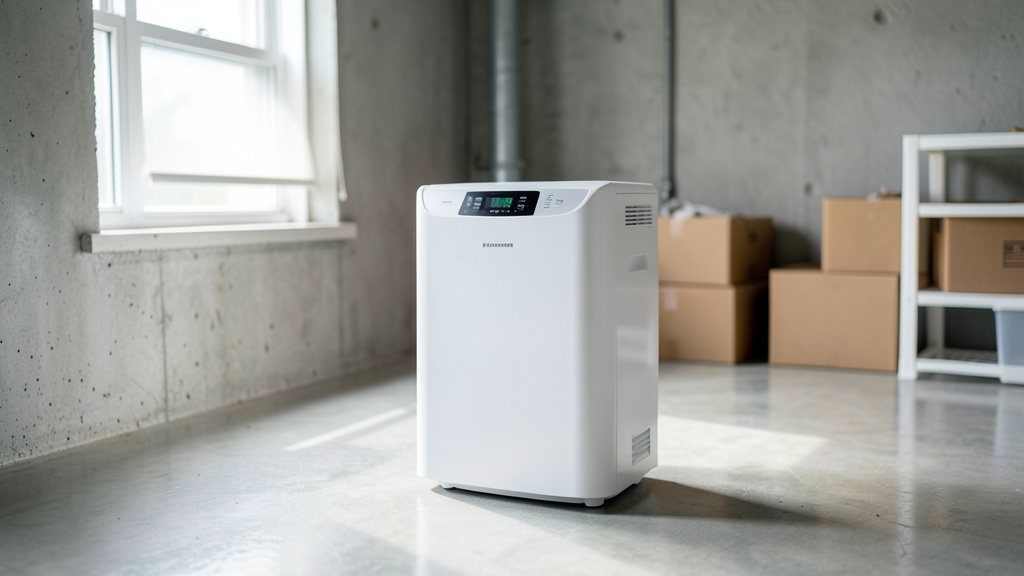
After remediation, install dehumidifiers and improve airflow in high-risk zones like basements and crawl spaces. This is especially critical in Florida’s tropical climate.
Hidden Mold: When Square Footage Is Just the Tip of the Iceberg
Visible mold often represents only a fraction of the problem. In walls, under flooring, or within HVAC systems, colonies can spread far beyond what’s immediately seen. That’s why professional mold testing and air quality testing are essential before quoting a price.
In water damage restoration projects, we frequently uncover mold in unexpected areas. A small leak in a Clearwater home’s second floor might lead to mold spanning multiple levels by the time it’s detected.
How We Assess Square Footage for Accurate Pricing
Our team uses thermal imaging and moisture meters to map the full extent of mold colonization. This ensures we account for all affected areas, not just the visible ones.
We categorize the space by remediation class—small (under 10 sq ft), medium (10–100 sq ft), or large (100+ sq ft)—but also factor in complexity. A 50 sq ft attic with heavy insulation damage may cost more to remediate than a 100 sq ft open basement.
Key Steps in Our Square Footage Assessment
- Visual inspection of all accessible areas
- Moisture mapping with thermal imaging
- Air quality testing for hidden spores
- Material analysis (drywall, wood, insulation, etc.)
- HVAC system inspection for cross-contamination
Commercial vs. Residential: Square Footage Differences
Commercial mold remediation in Belleair Bluffs often involves larger square footage but also unique challenges. Offices, schools, or retail spaces may have shared HVAC systems that spread mold across multiple units, requiring coordinated containment.
Residential projects, while typically smaller, can be more complex due to varied building materials and layouts. A historic home in Belleair might have plaster walls and lath, which require specialized remediation techniques not needed in modern drywall construction.
For mold affecting more than 10 square feet, professional remediation is strongly advised. Improper handling can release spores into the air, worsening the problem and risking health exposure.
Common Areas Where Mold Hides in Local Homes
In our experience, attics are a hotspot due to poor ventilation and roof leaks. Crawl spaces, common in homes near Largo and Clearwater, trap moisture and are often overlooked until mold becomes severe.
Basements, though less common in Florida, can still harbor mold in homes with below-grade levels. Bathrooms and kitchens are also frequent culprits, especially when exhaust fans are missing or underpowered.
The Remediation Process: What to Expect by Size
Small projects (under 10 sq ft) may involve localized containment, HEPA vacuuming, and surface cleaning. Medium projects (10–100 sq ft) typically require full containment barriers and air scrubbers to prevent spore spread during removal.
Large-scale remediation (100+ sq ft) often necessitates temporary relocation, as the process can take several days. In these cases, we coordinate with homeowners to minimize disruption, especially in family homes or commercial spaces.
How to Estimate Your Mold Remediation Needs
Follow these steps to gauge the scope of your mold issue before requesting a professional quote.
- 1Identify Visible Mold
Note all areas with visible mold growth, including discoloration or musty odors. Pay special attention to corners, baseboards, and ceilings.
- 2Check for Hidden Signs
Look for water stains, peeling paint, or warped materials, which often indicate mold behind surfaces. Use a moisture meter if available.
- 3Measure Affected Areas
Roughly calculate the square footage of each affected space. Multiply length by width for each section and sum the totals.
- 4Assess Material Types
Determine what materials are involved (drywall, wood, insulation, etc.), as this impacts remediation complexity and cost.
- 5Consider Air Quality
If mold is suspected but not visible, professional air quality testing can reveal hidden spores. This is critical for accurate pricing.
- 6Request a Professional Inspection
Contact a local expert for a thorough assessment. We provide quotes tailored to your home’s specific needs and square footage.
Frequently Asked Questions
Does mold remediation cost more in Belleair Bluffs due to the climate?
Yes, our humid subtropical climate can accelerate mold growth, often requiring more extensive remediation. However, the primary cost driver is still the square footage and materials involved. Request a quote to account for local conditions.
Can I remediate a small mold patch myself?
For areas under 10 square feet, DIY cleaning with proper precautions (N95 masks, gloves, ventilation) may be possible. However, without addressing the moisture source, mold will likely return. For larger or recurring issues, professional remediation is safer and more effective.
How does square footage affect the time needed for remediation?
Larger areas require more time for containment setup, cleaning, and drying. A 500 sq ft attic might take 3–5 days, while a 50 sq ft bathroom could be completed in 1–2 days. Complexity and material type also influence the timeline.
Why do costs vary so much between mold remediation companies in the area?
Pricing differences often stem from the scope of work (e.g., whether they include air quality testing or moisture control), equipment quality, and level of containment. Always compare detailed quotes and ensure the company follows IICRC S520 standards.
Is mold in the crawl space more expensive to remediate than in a living area?
Yes, crawl spaces often require more labor due to limited access, higher humidity, and the need for specialized equipment like dehumidifiers or vapor barriers. The square footage may be similar, but the conditions make remediation more complex.
Do you serve areas near Belleair Bluffs, like Clearwater or Largo?
Absolutely. We provide mold inspection, testing, and remediation across Pinellas County, including Clearwater, Largo, Belleair, and Belleair Beach. Local expertise matters, especially with our region’s unique climate challenges.